5 Common Engine Problems and How Regular Maintenance Prevents Them
What’s worse than heartbreak? Imagine you are on the highway for a cross-country road trip or simply moving to a new city. Suddenly, your car sputters, the engine light flashes, and you’re forced to pull over. A broken engine will be super inconvenient, and expensive. But here’s the thing: most common engine problems don’t happen overnight. They’re the result of small, preventable issues piling up over time.
Taking the time for regular engine care doesn’t just save money, it saves you from breakdowns and unexpected tow truck rides. Many common engine problems can be avoided with regular maintenance. In this guide, we’ll discuss the top five engine issues drivers face and share actionable engine service tips to help you prevent car engine issues. Let’s keep your car in peak condition and your adventures uninterrupted.
1. Overheating
One of the most frequent issues driver faces is an overheating engine. This problem often arises when the cooling system isn’t functioning properly, whether due to a leaky radiator, insufficient coolant levels, or a faulty thermostat. If left unchecked, overheating can lead to severe engine damage and costly repairs. Regularly checking and topping off coolant levels is a simple yet essential step, especially before long drives or during hot weather. It’s equally important to inspect the radiator and hoses for cracks, leaks, or wear, as addressing these early can save you from unexpected breakdowns. Scheduling professional cooling system checks is another proactive measure to ensure everything is working efficiently.
One tip to remember: don’t rely on water as a substitute for coolant. While it might seem like a quick fix, water doesn’t provide the same level of protection against heat or freezing, leaving your engine vulnerable. With these preventive measures, you can keep your engine running smoothly and avoid the stress of overheating.
2. Oil Leaks
Oil leaks might seem minor, but they can lead to major problems if ignored. When gaskets, seals, or the oil pan wear out, they allow oil to seep out, reducing lubrication within the engine. Over time, this can cause internal components to grind against each other, leading to excessive wear, overheating, and potentially even engine failure.
Sticking to a routine oil change schedule ensures your engine stays properly lubricated and free from harmful sludge buildup. Additionally, inspections during these visits allow technicians to spot and replace worn seals or other components showing signs of damage. Another simple yet crucial habit is monitoring oil levels. A sudden drop could indicate a leak or another underlying issue requiring professional attention. By prioritizing these proactive measures, you can keep your engine healthy, avoid unnecessary repairs, and enjoy peace of mind.
3. Ignition System Failures
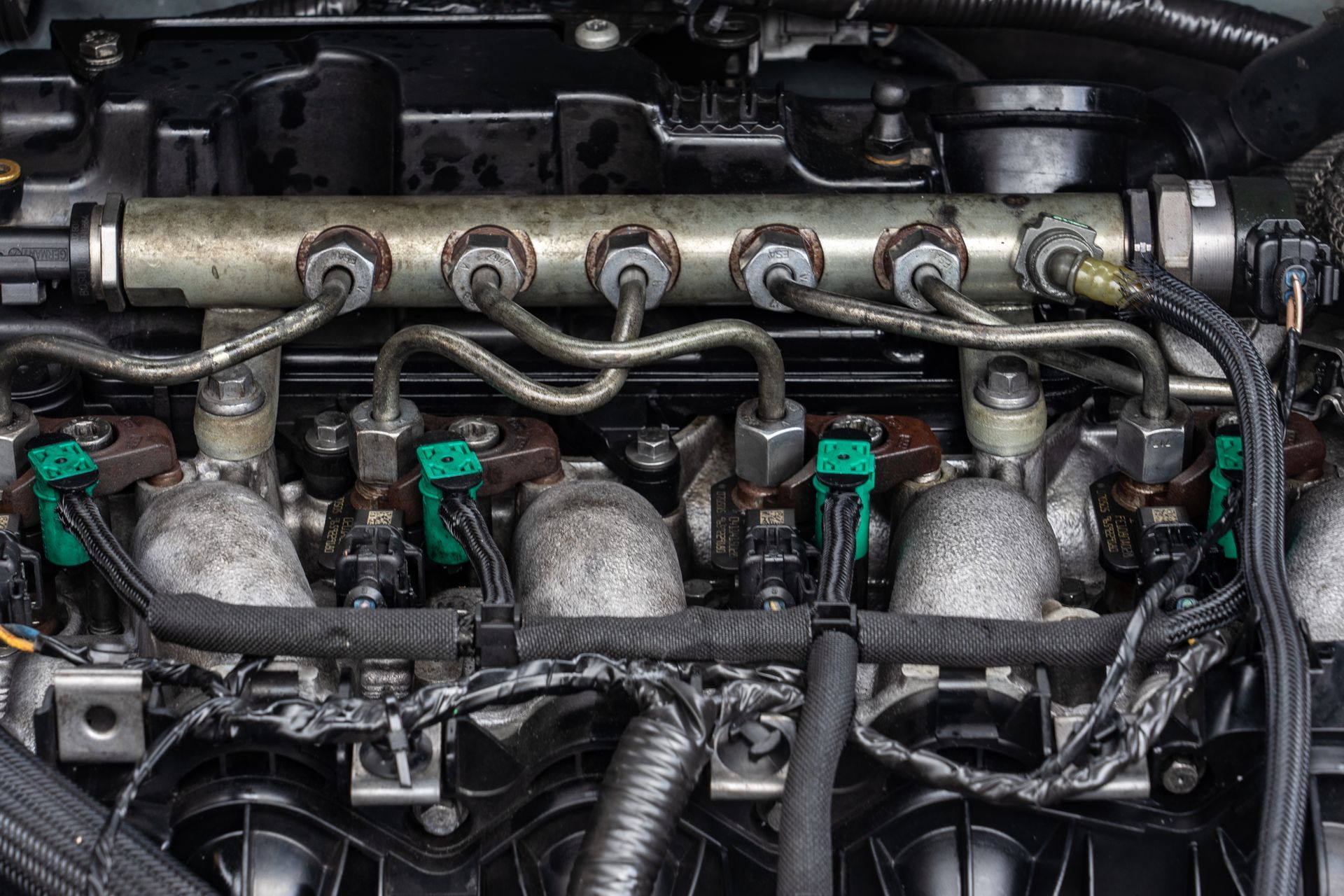
The ignition system plays a vital role in your car’s performance, yet it’s often overlooked until something goes wrong. Faulty spark plugs or a malfunctioning ignition coil can lead to engine misfires, sluggish acceleration, poor fuel efficiency, and even difficulty starting your vehicle. These problems may start small but can escalate quickly if neglected, impacting your car’s reliability and safety.
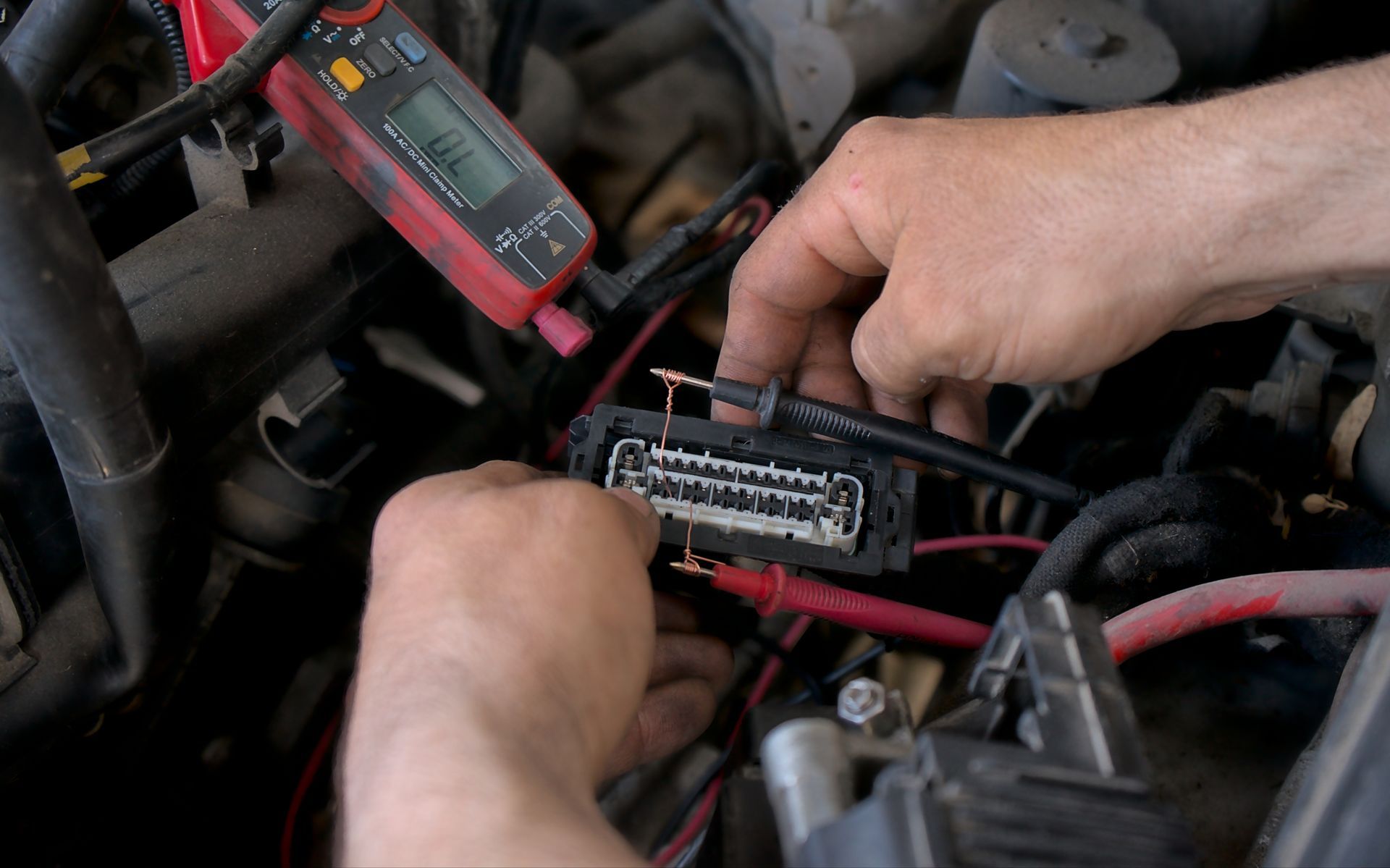
Replacing spark plugs at the intervals recommended by your vehicle’s manufacturer ensures efficient combustion and smooth operation. Additionally, having ignition coils and wires inspected during routine service can help catch early signs of wear, such as fraying or damage, before they lead to misfires. A well-timed engine tune-up goes a step further by addressing minor irregularities, enhancing overall performance, and extending the lifespan of your car.
Here’s a surprising fact: worn spark plugs alone can reduce your car’s fuel economy by up to 30%. By investing in preventive care, you not only save money at the pump but also enjoy a more reliable and responsive driving experience.
4. Dirty or Clogged Air Filters
Air filters are your engine’s first line of defense, keeping dirt and debris from entering its internal components. Over time, these filters can become clogged, restricting airflow and reducing engine efficiency. This seemingly small issue can impact performance, fuel economy, and even emissions.
Replacing the air filter regularly—typically every 12,000 to 15,000 miles or as recommended in your vehicle’s manual—ensures a steady, clean airflow and helps your engine run smoothly. During routine maintenance, a mechanic can quickly check the filter’s condition and replace it if needed, preventing small issues from escalating. If you frequently drive in dusty or polluted areas, you might need to replace the filter more often to keep your engine in optimal shape. Investing in this simple maintenance task pays off in better performance and improved fuel efficiency.
5. Timing Belt Failure
If the timing belt wears out or breaks, the results can be catastrophic, causing extensive engine damage and leaving you stranded. Unfortunately, many drivers overlook this essential part of their car’s maintenance. To avoid costly repairs, replace the timing belt according to your vehicle’s maintenance schedule, typically every 60,000 to 100,000 miles. Regular inspections during service visits can also help detect signs of wear, such as cracks or fraying, so the belt can be replaced before it fails. Pay attention to warning signs like squealing noises or engine misfires, as these could indicate timing belt issues that require immediate attention.
By staying proactive with timing belt maintenance, you protect your engine, save on expensive repairs, and ensure your vehicle remains reliable for years. It’s a small investment in time and care that delivers significant peace of mind on the road.
Why Regular Maintenance Matters
Preventive maintenance isn’t just about avoiding breakdowns; it’s about protecting your investment. Here’s why staying on top of engine care pays off:
- Saves money: Small fixes during maintenance visits cost far less than major engine repairs.
- Improves performance: A well-maintained engine delivers better fuel efficiency and smoother drives.
- Extends your car’s life: Regular care can help your car last for years without major issues.
AutoMedic Total Car Care for Common Engine Problems
Your car’s engine deserves attention and care to keep it running at its best. By addressing common engine problems through regular maintenance and following these engine service tips, you can minimize costly repairs and enjoy peace of mind on the road.
At AutoMedic Total Car Repair, we’ve been a trusted name in Bradenton, Florida, since 2013, delivering expert maintenance and repair services with a commitment to quality and customer care. Specializing in European vehicles like Audi, BMW, and Mercedes-Benz, our skilled technicians are equipped to handle everything from routine engine maintenance to complex rebuilds.
When it comes to engine care, choose AutoMedic for unmatched expertise, reliability, and a stress-free experience that keeps your vehicle running at its best. Schedule an appointment today and give your engine the TLC it needs!
The post 5 Common Engine Problems and How Regular Maintenance Prevents Them appeared first on AutoMedic Total Car Repair.
Everything You Need to Know about Transmission Rebuilds at Automedic Total Car Care in Bradenton, FL